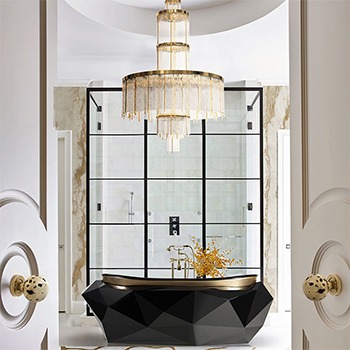
The term ‘cosy’ may be considered an amorphous description, its banality an infringement to rational thinking. Of course the meaning of ‘cosy’ is a rather subjective one that differs from person to person. For some, cosy is order and cleanliness; for others, cosy is clutter and disarray. Often, cosy is derived from comfort, security and warmth, found in honest materials, playful details and aesthetic qualities. Cosiness is difficult to quantify, and yet however we choose to define or express it, cosy has the capacity to improve quality of life.
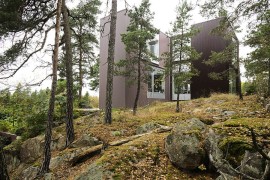
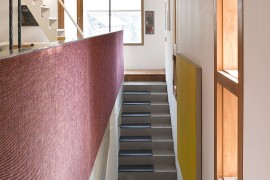
The following livable homes are genuinely cosy spaces. Each dwelling provides an example of ‘cosy’.
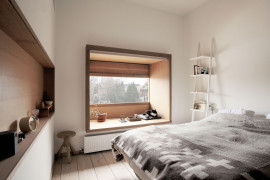
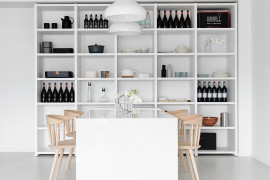
Mjölk House, Toronto, Canada
Cosy is a blend of warm natural materials including wood, leather and wool. Cosy is curating shelves, nooks and crannies with favoured objects.

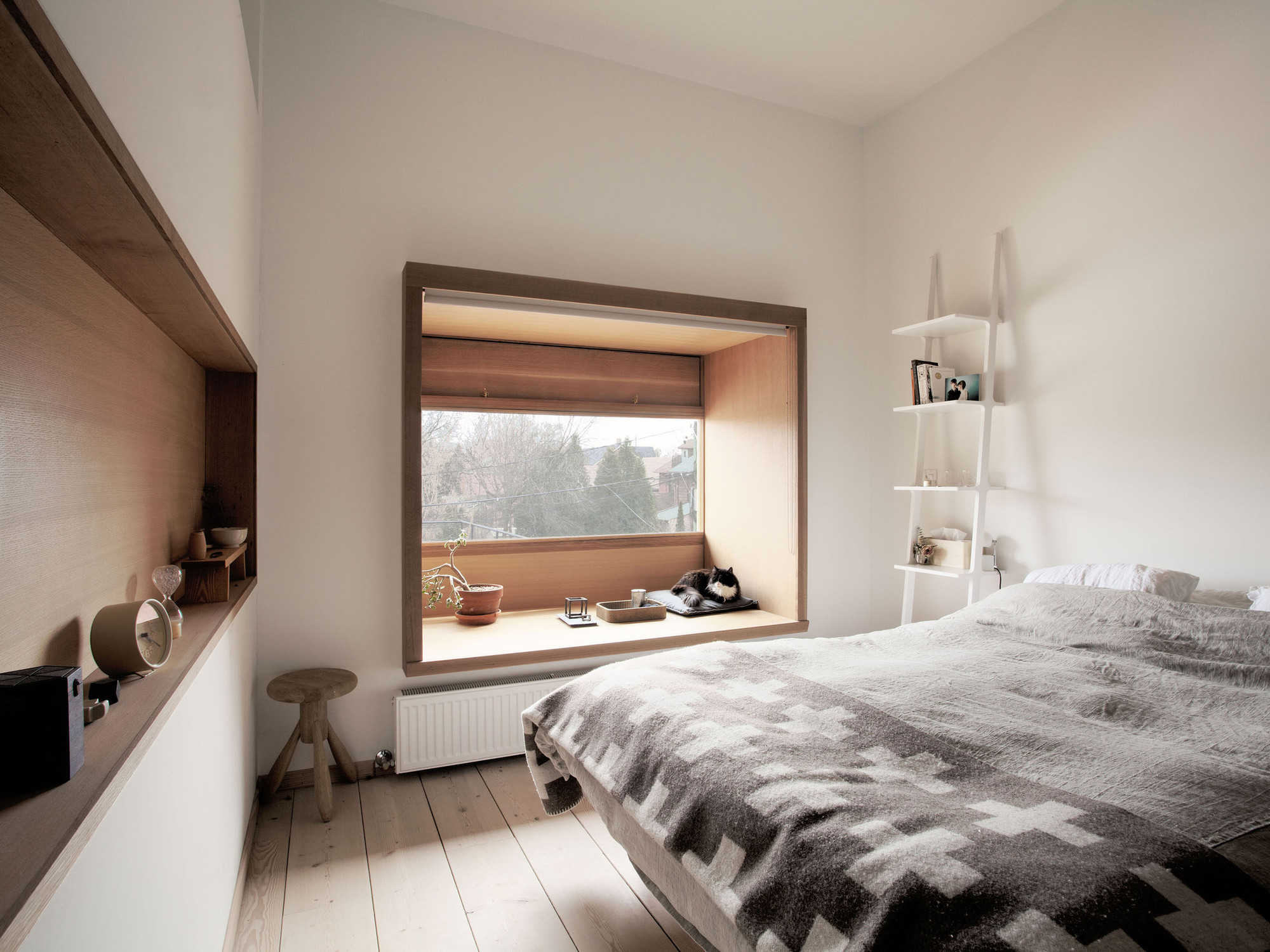
Designed by architects Studio Junction. Images © Joe Lin / Studio Junction via ArchDaily.
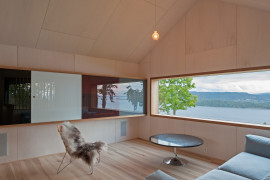
Lake Cottage, Bolsover, Ontario
Cosy is those small touches, for instance a rug on a chair or on the floor. Minimal does not always equate to unfussy or austere.


Designed by UUfie. Images by Naho Kubota via Domus.
“House for Julia and Biórn”, Egg, Austria
Cosy is a wood-panelled wall that helps a space to feel homey and secure.


Designed by Architekten Innauer Matt. Images by Adolf Bereuter via Gessato.
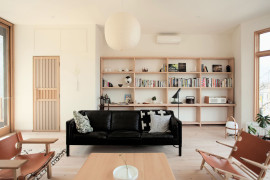
Villa Altona, Sollentuna, Sweden
Cosy is found in a large rug, used to define an open space. Cosy is adding kooky objet d’art in order to enhance a room’s character (notice the ‘Showtime’ vases by Spanish designer Jaime Hayon).

Cosy is a home surrounded by nature.

Designed by The Common Office. Images © Mikael Olsson via ArchDaily.
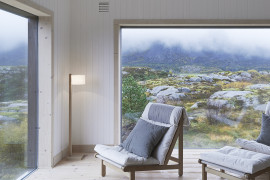
Vega Cottage, Norwegian archipelago, Norway
Cosy is found in furniture with a simple design that is devoid of pretence.

Designed by Kolman Boye Architects. Image © Lindman Photography via ArchDaily.
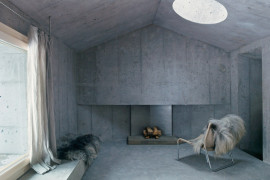
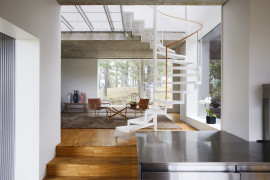
Concrete house, Flims, Switzerland
Cosy warms cold concrete with natural materials such as wood (for a fire) and sheepskins.

Designed by Nickisch Sano Walder Architects. Image by Gaudenz Danuser via Dezeen.
Tsai Residence, Taipei, Taiwan
Cosy is adding colour in the form of cushions, tabletops and accessories, so gently enlivening and warming a space.


Designed by Tai & Architectural Design. Images via Tai & Architectural Design © Kyle Yu.
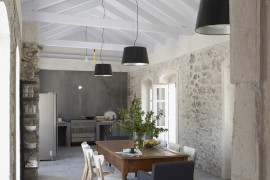
Villa Kalos, Ithaca, Greece
Cosy is found in rusticity and exposed brick. Considered lighting and contemporary furnishings will augment the homelike feel.


Images © Robbert Koene via Est Magazine.
Four Box House, Seoul, South Korea
Cosy is this tranquil tea room with its paper-covered walls. Cosy is placing cushions and a tray with tea/coffee items on the floor, so heightening form and composure.

Cosy is natural light. Cosy is not limited to warmth and darkness.

Designed by BCHO Architects Associates. Images © 2015 BCHO Architects Associates.
Off/Ramberg house, Holmestrand, Norway
Cosy is a considered layout, one in which furnishings relate to each other.
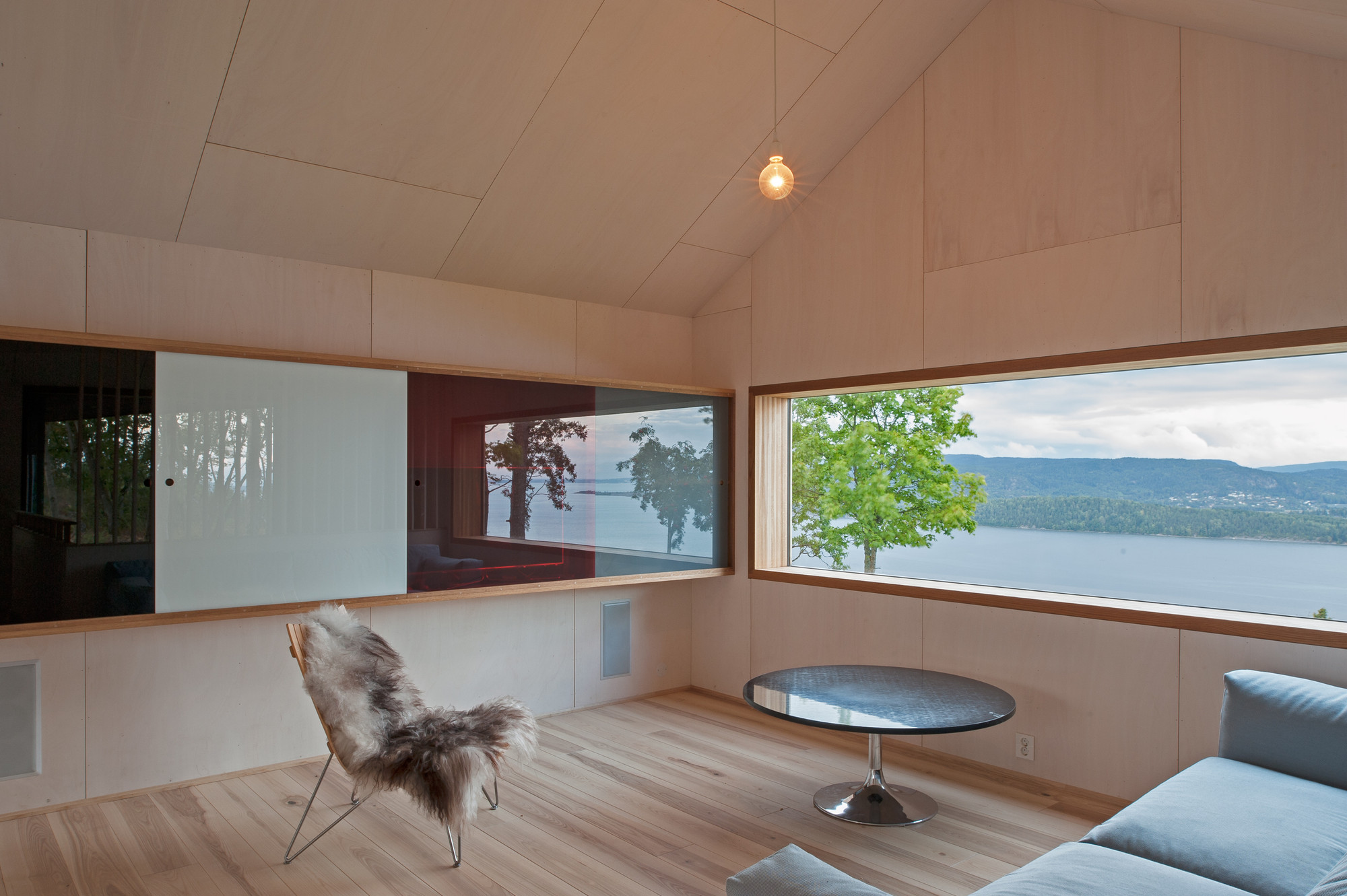
Designed by Schjelderup Trondahl Architects AS. Image © Jonas Adolfsen via ArchDaily.
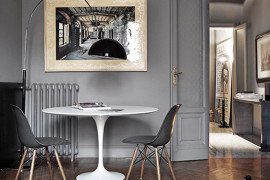
1930s palazzo-style apartment, Milan, Italy
Cosy is applying grey in varied tones and layers, imbuing a home with warmth.


Images © Davide Lovatti Photography.
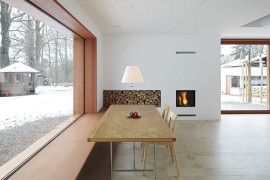
House 11, Munich, Germany
Cosy is the warmth and glow of a natural fire.

Designed by Titus Bernhard Architekten. Image © Titus Bernhard Architekten via ArchDaily.
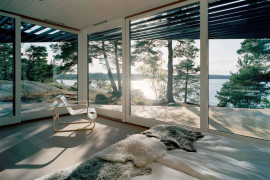
Archipelago House, Stockholm archipelago, Sweden
Cosy is to sit by a window, basking in the warm morning sun.

Designed by Tham & Videgård Hansson. Image © Tham & Videgård Arkitekter via ArchDaily.
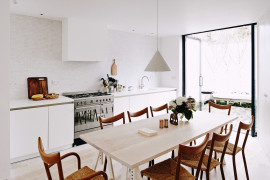
Herringbone House, London, England
Cosy is a home intended for living.


Designed by Chan + Eayrs. Images © Chan + Eayrs.
(This post was inspired by the recent launch of The Monocle Guide to Cosy Homes published by Gestalten.)
You’re reading 14 Genuinely Cosy Spaces, originally posted on Decoist. If you enjoyed this post, be sure to follow Decoist on Twitter, Facebook and Pinterest.
Source:: http://www.decoist.com/cosy-modern-homes-interiors/