By BRABBU

Isamu Noguchi was one of the twentieth century’s most important and critically acclaimed sculptors. Through a lifetime of artistic experimentation, he created sculptures, gardens, furniture and lighting designs, ceramics, architecture, and set designs. His work, at once subtle and bold, traditional and modern, set a new standard for the reintegration of the arts. And today it’s about him that we write about in our subject about the best 20th century best designers.
In 1926 Noguchi saw an exhibition in New York of the work of Constantin Brancusi’s that profoundly changed his artistic direction. With a John Simon Guggenheim Fellowship, Noguchi went to Paris, and from 1927 to 1929 worked in Brancusi’s studio. Inspired by the older artist’s reductive forms, Noguchi turned to modernism and a kind of abstraction, infusing his highly finished pieces with a lyrical and emotional expressiveness, and with an aura of mystery.
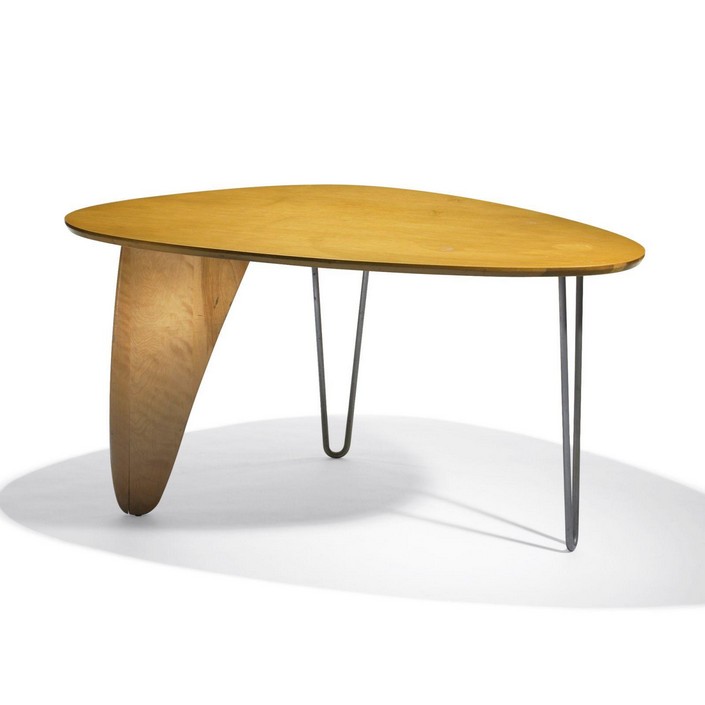
Noguchi, an internationalist, traveled extensively throughout his life. He discovered the impact of large-scale public works in Mexico, earthy ceramics and tranquil gardens in Japan, subtle ink-brush techniques in China, and the purity of marble in Italy. He incorporated all of these impressions into his work, which utilized a wide range of materials, including stainless steel, marble, cast iron, balsawood, bronze, sheet aluminum, basalt, granite, and water.
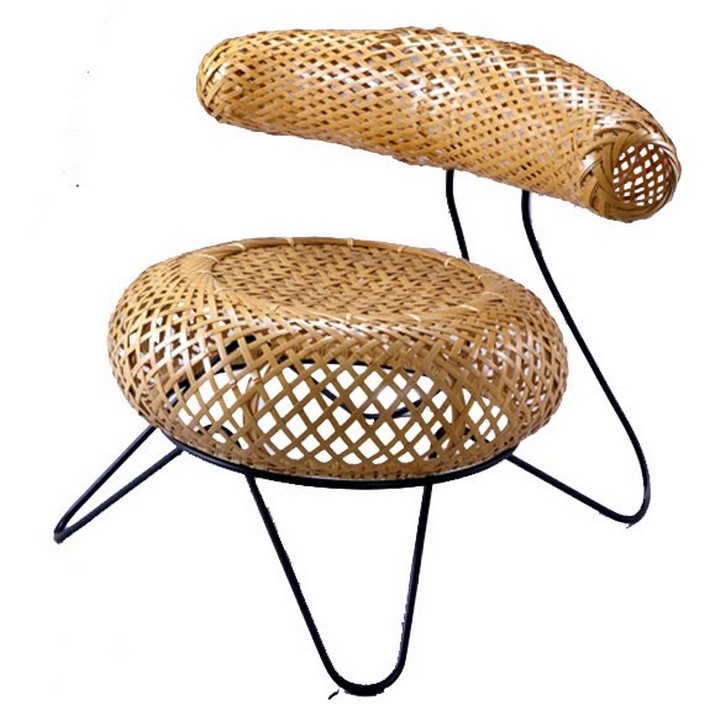
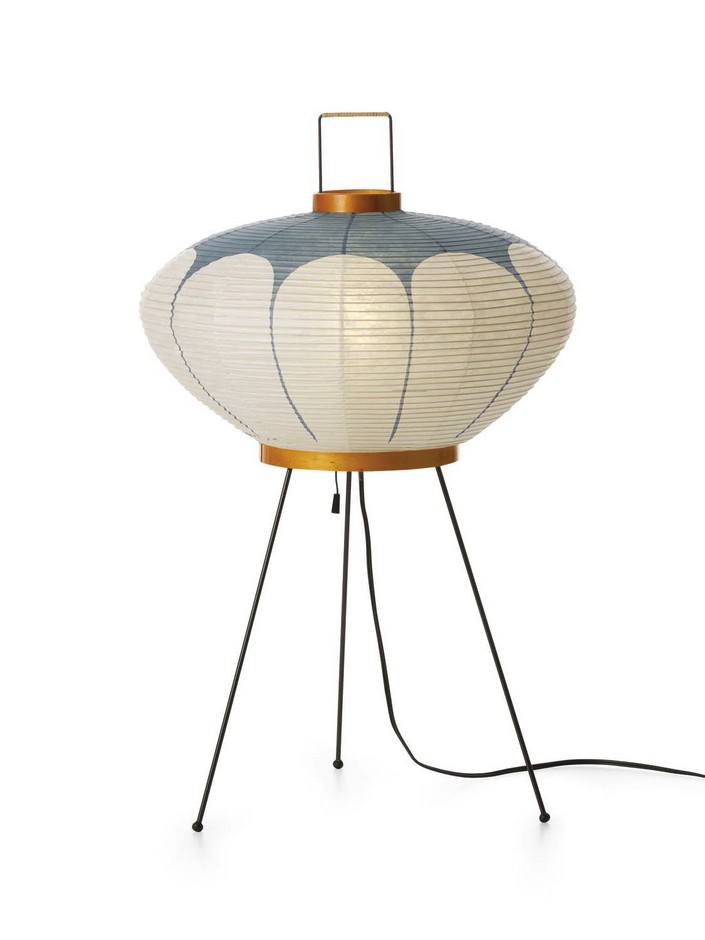
When given the opportunity to venture into the mass-production of his interior designs, Noguchi seized it. In 1937 he designed a Bakelite intercom for the Zenith Radio Corporation, and in 1947, his glass-topped table was produced by Herman Miller. This design—along with others such as his designs for Akari Light Sculptures which was developed in 1951 using traditional Japanese materials—are still being produced today.
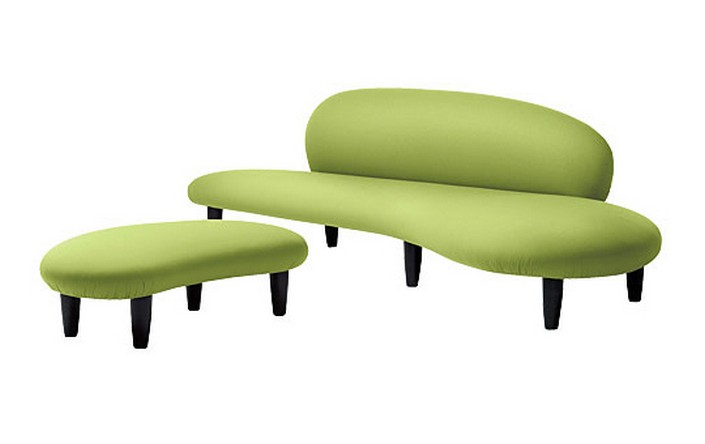

Noguchi’s first retrospective in the United States was in 1968, at the Whitney Museum of American Art, in New York City. In 1986, he represented the United States at the Venice Biennale. Noguchi received the Edward MacDowell Medal for Outstanding Lifetime Contribution to the Arts in 1982; the Kyoto Prize in Arts in 1986; the National Medal of Arts in 1987; and the Order of Sacred Treasure from the Japanese government in 1988. He died in New York City in 1988.
SEE ALSO: 20TH CENTURY BEST DESIGNERS: ARNE JACOBSEN
SEE ALSO: 20TH CENTURY BEST DESIGNERS: CHARLES AND RAY EAMES