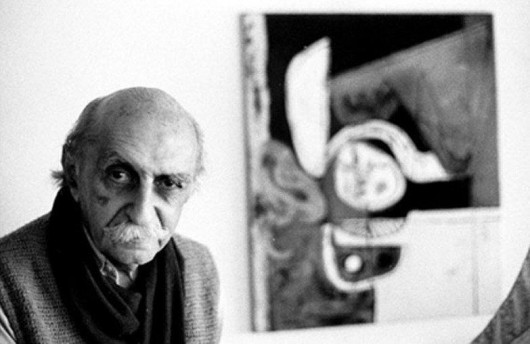
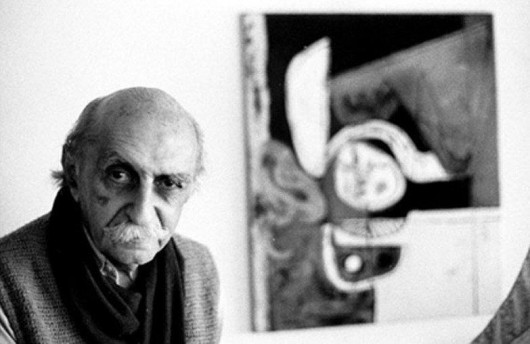
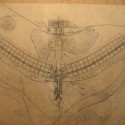
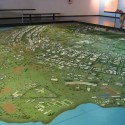
Brazilian planner, preservationist and modernist thinker Lucio Costa (27 Feburary 1902 – 13 June 1998) is best known for his 1957 plan of Brasília that shaped the Brazilian capital into a monument to utopian modernism. A resolute and often controversial figure in the Brazilian establishment, Costa’s contributions to Brazilian architecture helped to shape the distinctive modernism that was practically Brazil’s official style until the 1980s.

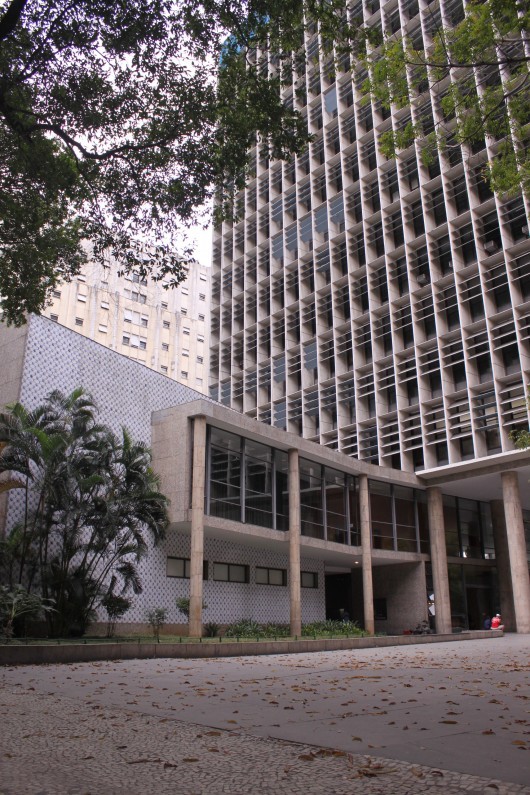
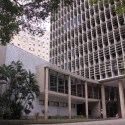
Educated internationally, Costa graduated from the Escola Nacional de Belas Artes at the age of 22 and, only 6 years later, returned in a partnership to direct the school. While he did not prove popular (and was forced out by the collective will of both students and faculty) his style of modernism ultimately did. Working with a team of young Brazilian architects and Le Corbusier, his Ministry of Education and Health in Rio de Janeiro became a concrete statement of the path Brazil would take in the 20th century. It was also this project that fostered titan of modernism Oscar Niemeyer from intern to the architect who would later take on the monumental buildings of Costa’s Brasília plan.
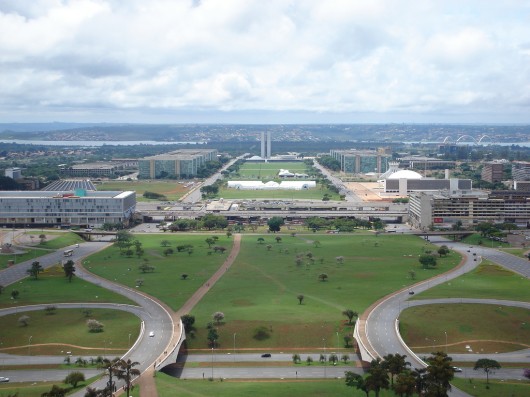
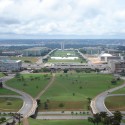
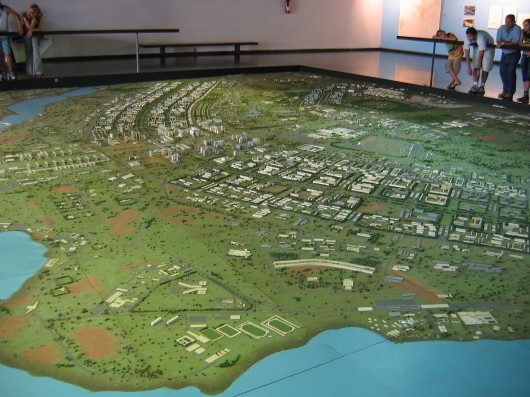
With Niemeyer designing, in quick succession, the institutions of the state, Costa was free to concentrate solely on the urban plan of the city. Although Niemeyer’s buildings became Brasília’s face, Costa was the one who gave the city its utopian soul, designing the residential areas in forested ‘superblocks’ that were equipped with leisure and sports facilities accompanied by small shopping areas for residents, luxury and affordable alike. Costa designed the quintessential modernist city and one that has resonated through generations of urban planners, and Costa himself – although later facing fierce criticism – never stopped defending Brasília’s design.
Costa joined the Brazilian Historic and Artistic Heritage Institute in 1937 and later led the organisation till his retirement, leading a charge to document architectural heritage in Brazil while using his influence to decide exactly which heritage to preserve – and which to remove, leading to the loss of a great deal of non-Portugese history from Brazil’s built environment at the hands of him and many who were influenced by him.

Spotlight: Lúcio Costa originally appeared on ArchDaily, the most visited architecture website on 27 Feb 2015.
send to Twitter | Share on Facebook | What do you think about this?
Source:: http://feedproxy.google.com/~r/ArchDaily/~3/tL6YuKOEIKg/